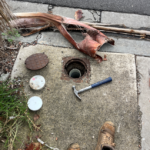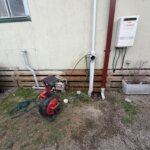



A homeowner was worried their house was moving. Someone had checked for leaks before but found nothing. We took a careful look at every drain on the property. Then we found the real cause hiding at the council pit.
| The job at a glance | |
| Suburb | East Geelong |
| The worry | The owner thought their house might be moving |
| What we did | A pressure test, plus a camera check of the stormwater and sewer drains |
| Cause | A blocked stormwater drain that was backing up at the council pit |
| Result | The drains were flowing the right way again |
The problem: a worrying mystery
This owner had noticed signs that worried them. They thought their house might be moving. The house sits on clay soil. Clay soil swells up when it gets wet and shrinks when it dries out. That movement can crack floors and walls.
They had already paid for a leak check and a camera before. But they got no clear answer and no video to look at. They just wanted to know what was going on.
On clay soil, water is the problem. If the drains are not carrying water away from the house, the ground gets wet and moves. So the real question was this: is water going where it should not, and is that what is moving the house?
The investigation: rule things out one at a time
We took it step by step. First we did a pressure test on the water pipes. This checks for a hidden leak that could be wetting the ground. The pipes held the pressure with no drop. So the water pipes were fine.
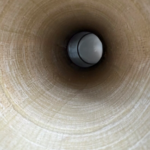
Next we put a camera through the sewer drain and the stormwater drain to see what shape they were in. The sewer drain came up clean. No blockages and no damage. But the stormwater drain was a different story.
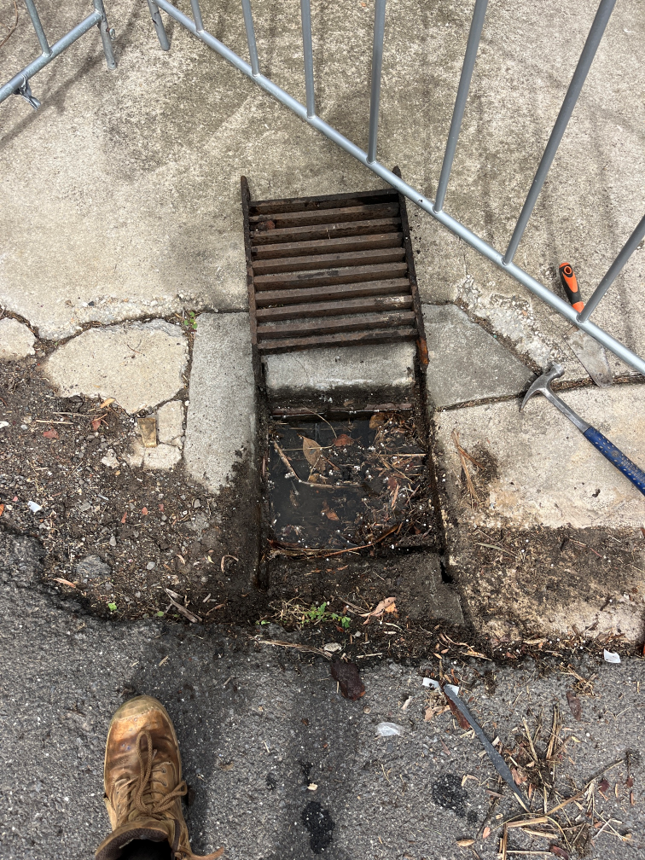
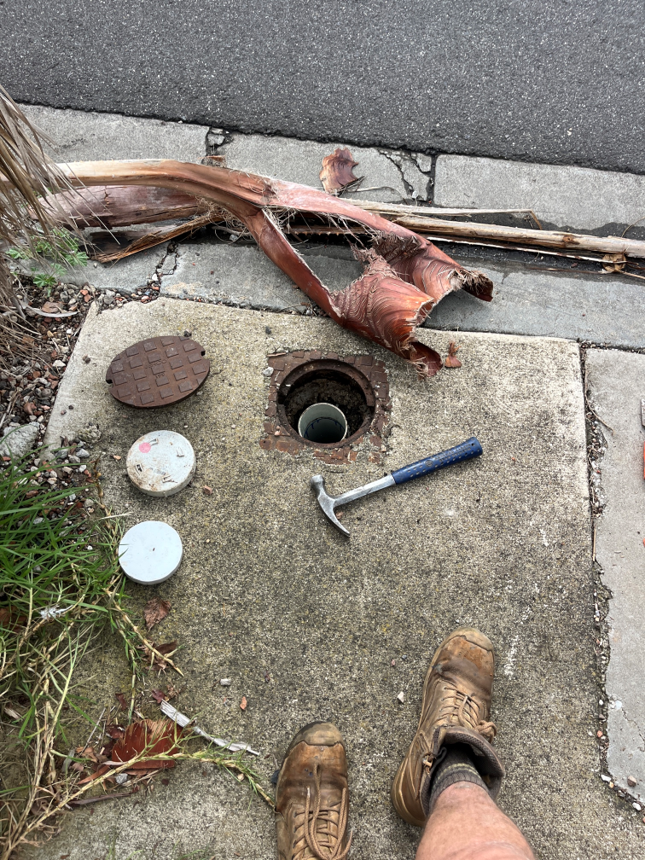
We followed the pipe with the camera. We found the blockage where the home’s stormwater joins the council drain at the back of the property. (Plumbers call this joining point the Legal Point of Discharge.) The blockage had been there a while. With nowhere to go, the stormwater was backing up. That is what makes water overflow and pool around the house when it rains.
The fix: clear it, then prove it
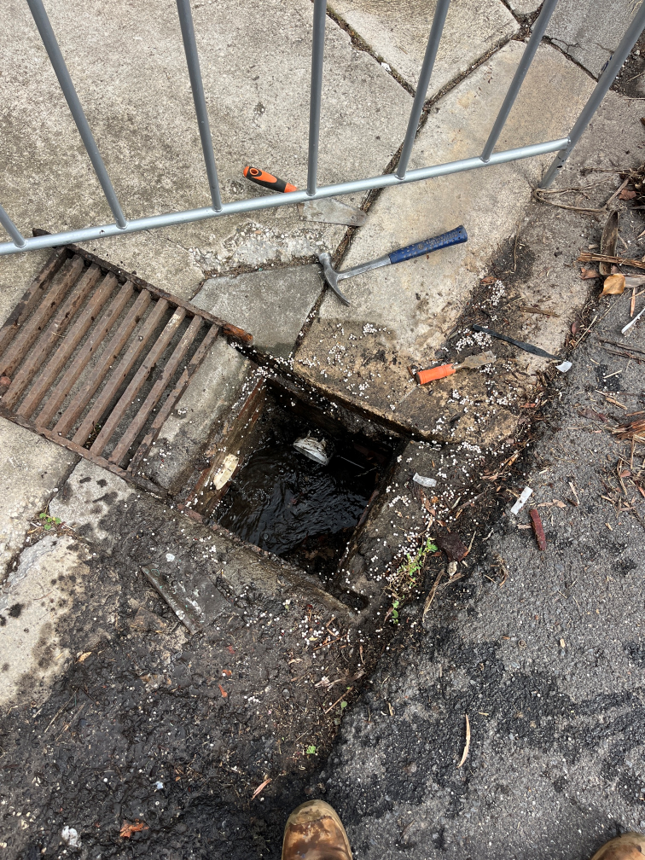
We cleared the leaves and dirt out of the council pit. We gave it a good clean. Then we flushed the whole stormwater system through the downpipes to get the water moving again.
Then we did the part that matters most. We ran the camera through a second time. We wanted to be sure the water was really flowing, not just looking better on top. The pipe had no cracks and no breaks. The drain was working again
The outcome
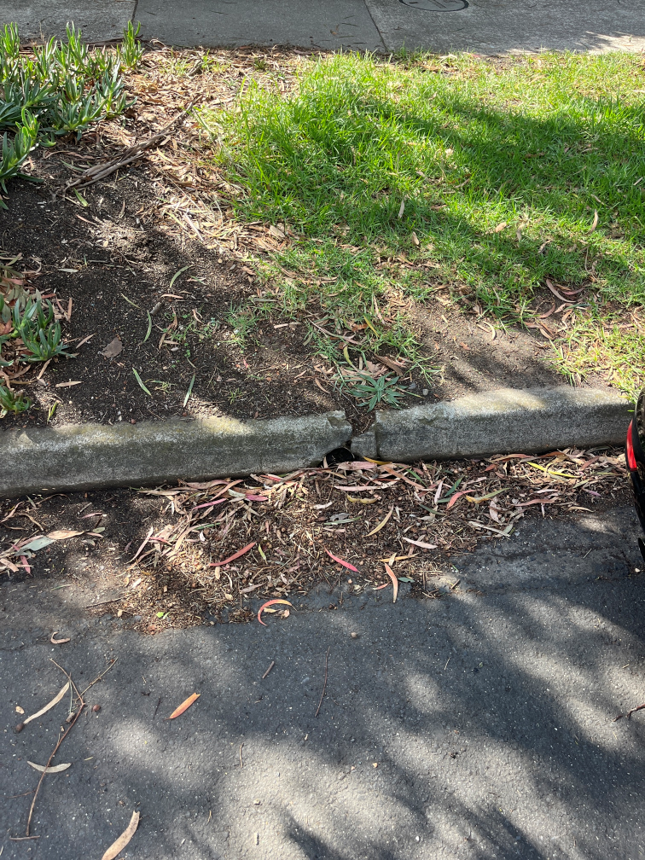
The owner finally had a clear answer, with video to back it up. Their water pipes were fine. Their sewer was fine. And the stormwater problem, the one thing that could move the ground under their house, was found and fixed.
The ground had been getting wet for a while. So we said to check the floor levels again in four to six weeks. That tells us if the movement settles down now that the water is draining away. This is the honest way to do it. Fix the cause first, then keep an eye on it. We do not promise a problem is gone before the ground has had time to settle.
Signs your stormwater drains need a look
- Water pooling against the house or in the yard after rain
- Surface drains or downpipes that overflow or back up
- New cracks in floors, paths or walls
- An older home, or one built on clay soil
- A drain problem that someone else looked at but could not work out
A camera check of your stormwater gives you a clear answer, with video to prove it. No more guessing.