


The Problem
The owner of a three-unit residential complex in Newtown contacted the Bay Plumbing & Drainage team after concerns were raised about the condition of the shared sewer drainage system running across the common property. There were no overflowing services at present, but the common drain had a history of blockages and required regular maintenance.
With three units sharing a single below-ground sanitary drainage system, any failure in the mainline could affect all residents at once.
Service: CCTV Drain Inspection | Drain Compliance Reporting
Location: Newtown, Geelong, Vic
What We Did
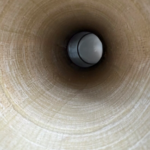
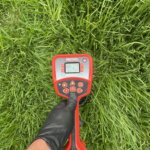
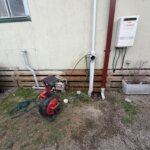
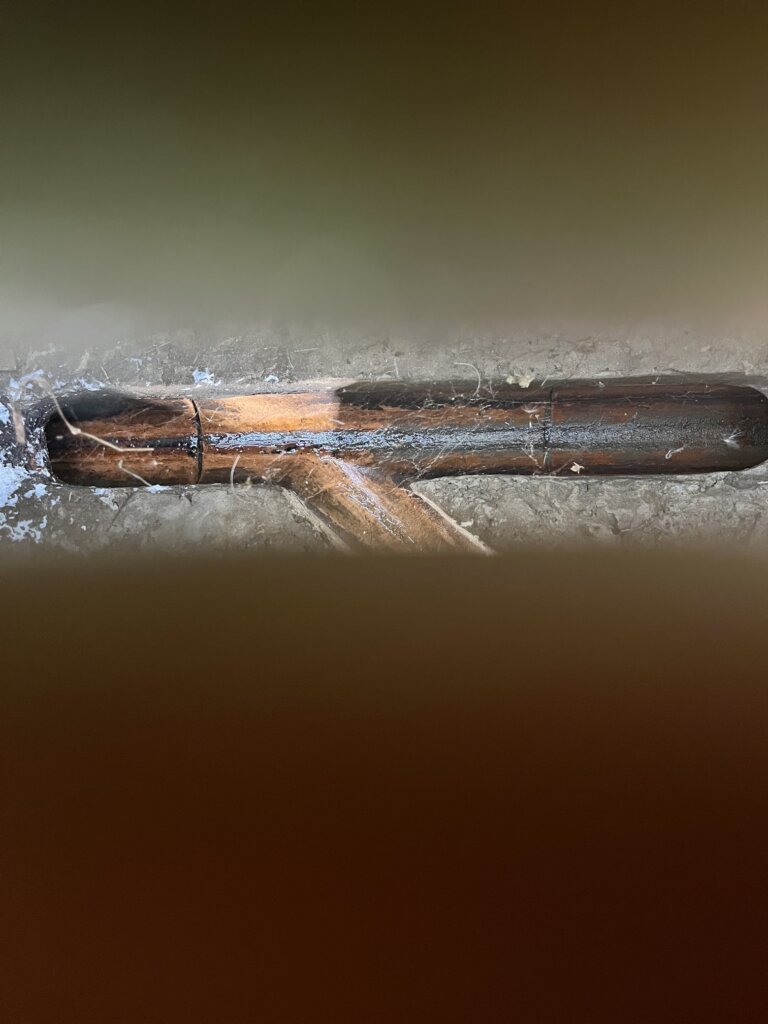
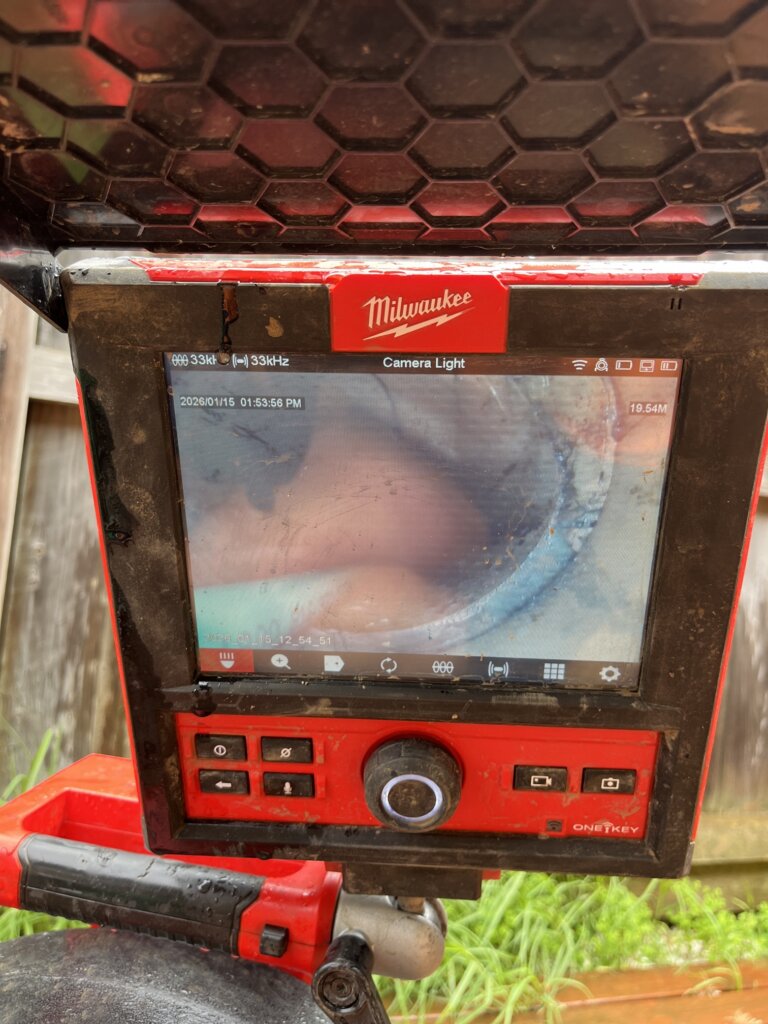
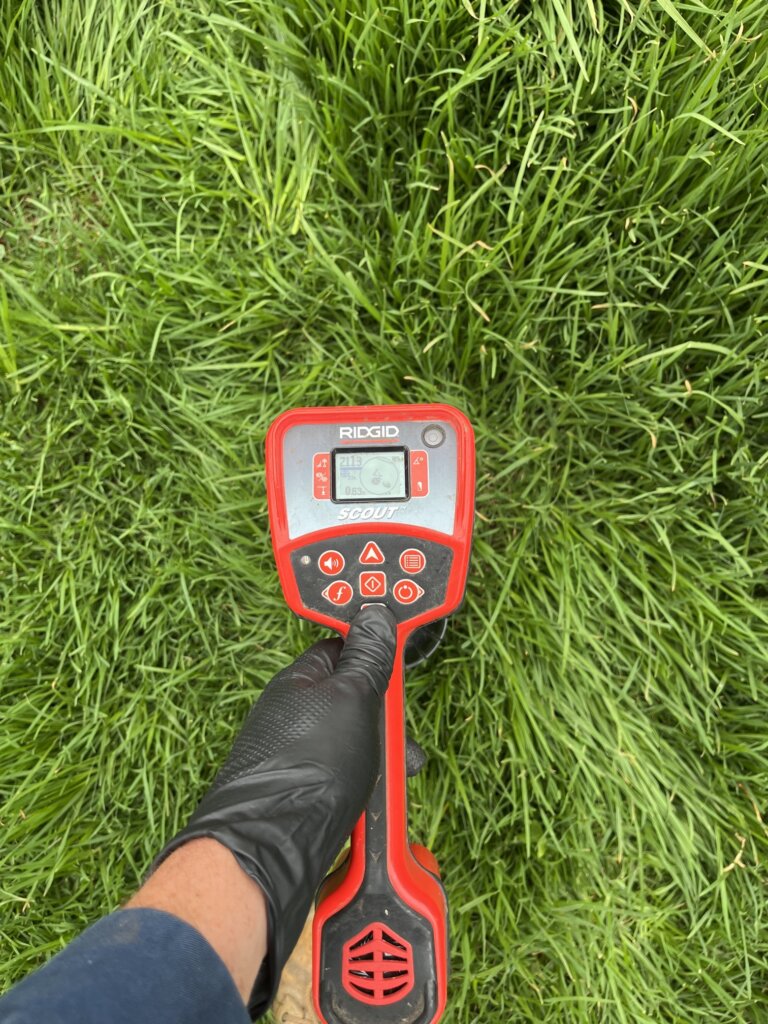
Our team attended the property and carried out a full CCTV drain inspection of the shared sewer line servicing Units 1, 2 and 3 from the sewer authority connection at the rear of the block, combined with a visual assessment of accessible sections on each unit. High-pressure jetting was used to clear the drain of tree roots and debris, giving the camera a clean run through the pipe and ensuring the most accurate picture of what was actually going on structurally.
The inspection was completed in accordance with Victorian plumbing regulations, including AS/NZS 3500.2:2021, the standard for sanitary plumbing and drainage.
What We Found
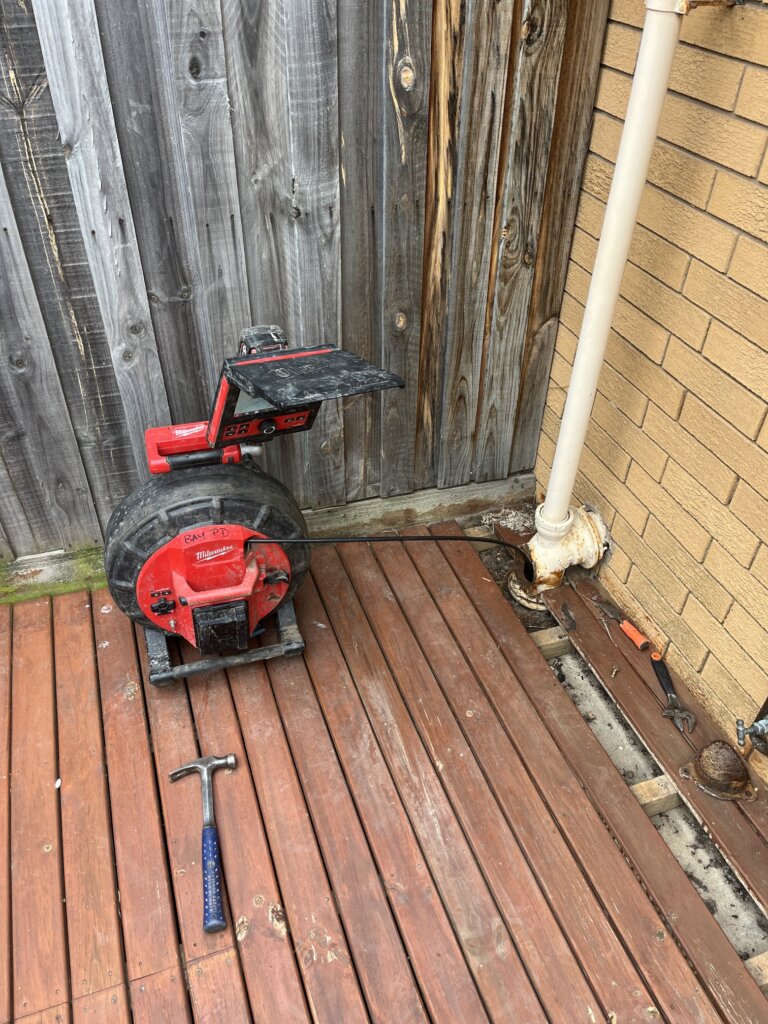
The drainage system servicing all three units showed multiple structural failures, and the overall footage pointed to systemic deterioration rather than isolated damage. The extent of the breaks indicated the drain had been failing progressively over a long period of time.
The key findings by unit were:
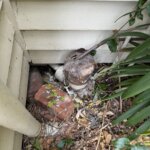
Unit 3 had the most extensive damage. A structural break was found at the edge of the junction pit on both the upstream and downstream connections. Two further breaks were identified beneath the deck area, another in the grassed area approximately 1 to 2 meters downstream from the deck, and another beneath the fence line. The lead-off drain was also holding water, indicating affecting fall due to a dislodgement in the common connection to the sewer asset. This is a non-compliant service as per AS/NZS 3500.2 Clause 3.6, which requires sanitary drains to drain freely to prevent sewerage from discharging from the sealed drain. Given the condition and location of the damage, full replacement of this section was recommended.
Unit 2 had three separate breaks along the drain line, located at approximately 9, 10 and 11 meters upstream from the Unit 3 junction pit. The pipe condition was consistent with progressive structural failure, likely caused by ground movement, inadequate screening or sand support around the service and aging materials over time. In Australia, it’s a requirement that sewer drains are properly supported with bedding material, usually sand or fine crushed rock.
Unit 1 had a break at the inspection opening approximately 15 meters upstream from the junction pit, and a second break at the base of the WC connection, which is the last upstream point of the entire sanitary drain. This defect carries a high risk of leakage and soil contamination, posing a health and environmental issue to the property.
In total, the drainage system was found to be non-compliant, due to fractured and displaced pipe sections, loss of hydraulic grade, standing water, failure to maintain watertight joints, and reduced capacity with a high risk of surcharge due to blockages.
The Result
A formal Drainage Inspection Report was completed documenting all findings, their locations, and the applicable compliance breaches. CCTV footage was provided to the owner directly via email, given the volume of material captured.
A quote was prepared for rectification works, comprising approximately 25 meters of drain replacement, picking up 3 junctions across the complex. The recommended approach was to utilise our hydro excavation truck to protect other below-ground services in the common area and replace from the lead-off through to the edge of the deck in 100mm PVC. Then, reline beneath the deck area to avoid demolishing the structure and repair the entire main line sewer.
For the owner of this complex, the CCTV drain inspection turned a vague concern into a clear, documented picture of exactly what needed to be fixed and why. That’s the kind of information you need to make decisions with confidence, whether you’re a private owner, a property manager, or part of a strata committee.
Managing a multi-unit property or strata complex in Geelong? Bay Plumbing & Drainage provides professional CCTV drain inspections, compliance reporting, and drainage rectification for residential and commercial properties across Geelong, the Surf Coast and the Bellarine Peninsula. Call 1300 625 633 or get in touch online.
Glossary of Plumbing Terms
CCTV Drain Inspection: The use of a waterproof, high-definition camera fed through a drainage pipe to inspect its interior in real time. Allows plumbers to identify structural damage, blockages, and compliance issues without excavation or guesswork.
Sanitary Drainage System: The below-ground network of pipes that carries wastewater from toilets, sinks, showers, and other fixtures to the sewer connection point. In a multi-unit complex, this system is often shared across the common property.
AS/NZS 3500.2:2021 The Australian and New Zealand standard governing sanitary plumbing and drainage. It sets out requirements for how drains must be designed, installed, and maintained, including that they must be structurally sound, watertight, and self-cleansing.
Loss of Grade: When a section of drain no longer slopes at the correct angle to carry wastewater away by gravity. Pipes with insufficient grade or a backfall cause water and waste to pool inside the pipe rather than flow freely, increasing the risk of blockage and structural damage over time.
Junction Pit An underground access chamber where multiple drain lines connect. Junction pits allow plumbers to inspect, clean, and camera different sections of a drainage system from a single point.
Lead-Off Drain The section of drainage pipe that connects a property’s internal sewer system to the council sewer or boundary trap. It is typically the final stretch of private drainage before the connection to the public network.
Hydro Excavation is a non-destructive digging method that uses pressurised water and a vacuum system to safely expose underground pipes without the risk of damage from mechanical excavators. Particularly useful in confined or sensitive areas, like beneath a deck or close to building footings.
Drainage Inspection Report: A formal written document produced following a CCTV inspection, detailing all defects found, their locations, compliance issues identified, and recommended rectification works. Used by property owners, strata managers, and insurers to plan and approve repair works.
Surcharge: When a drainage system is overwhelmed, and wastewater rises above the top of the pipe, it can potentially back up through fixtures or overflow points. A system with standing water, fractured pipes, and loss of grade is at high risk of surcharging during periods of heavy use.